Each fire season the top of a chimney turns into a doorway that swings both ways. Sparks from your own fire can climb out of an open flue and settle on dry shingles or a neighbor's palm, and embers riding a Santa Ana wind can fall in. A cap with a spark screen shuts that doorway. Jessup Chimney Solutions fits caps on Placentia homes, each quoted on site. The rest of this post explains what sets the price.
Four parts of the price
A cap is a lid that sheds rain, a screen around the sides and a way of fixing both to the chimney. Add the climb needed to reach it and you have the four things that move the figure.
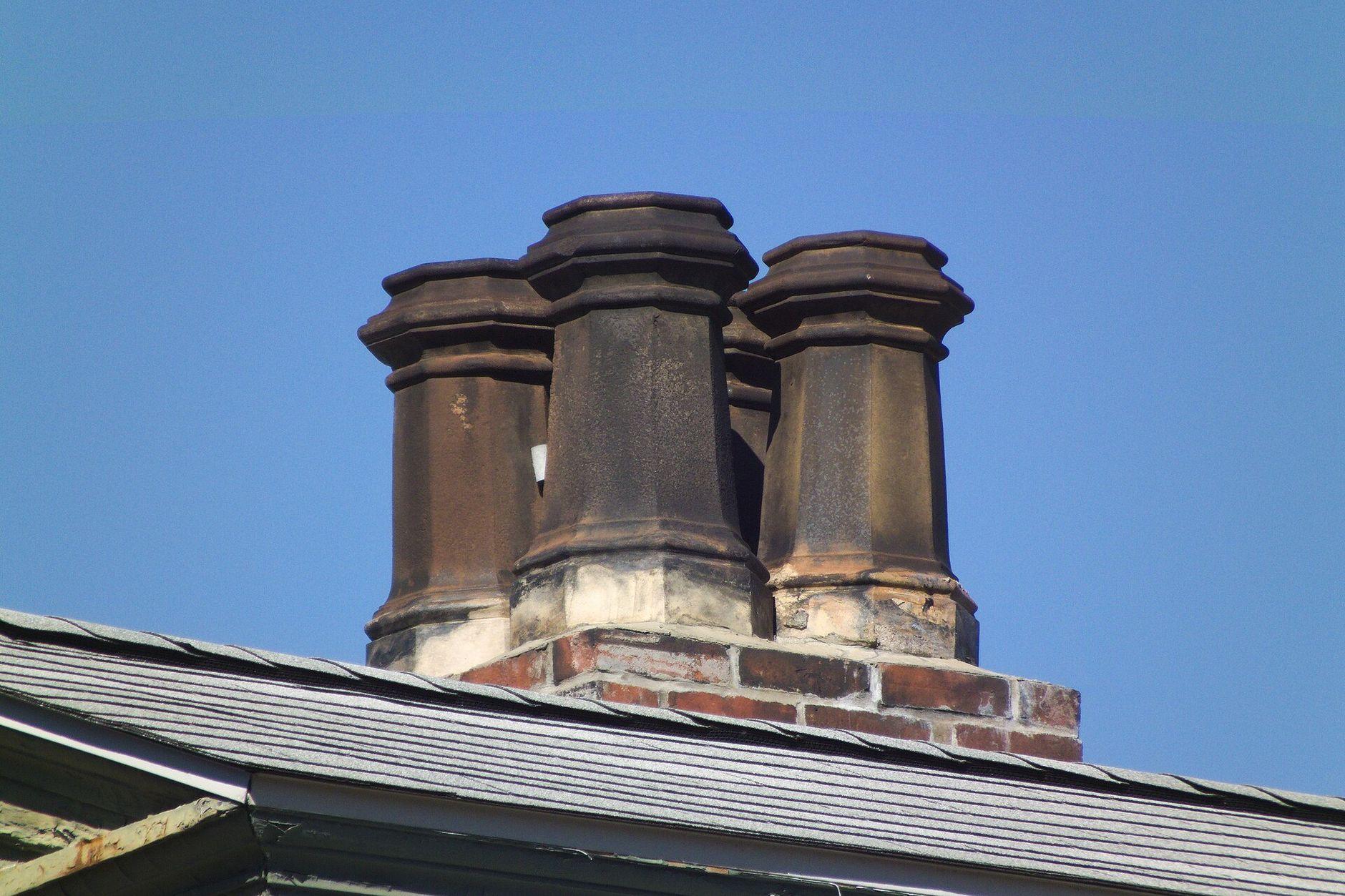
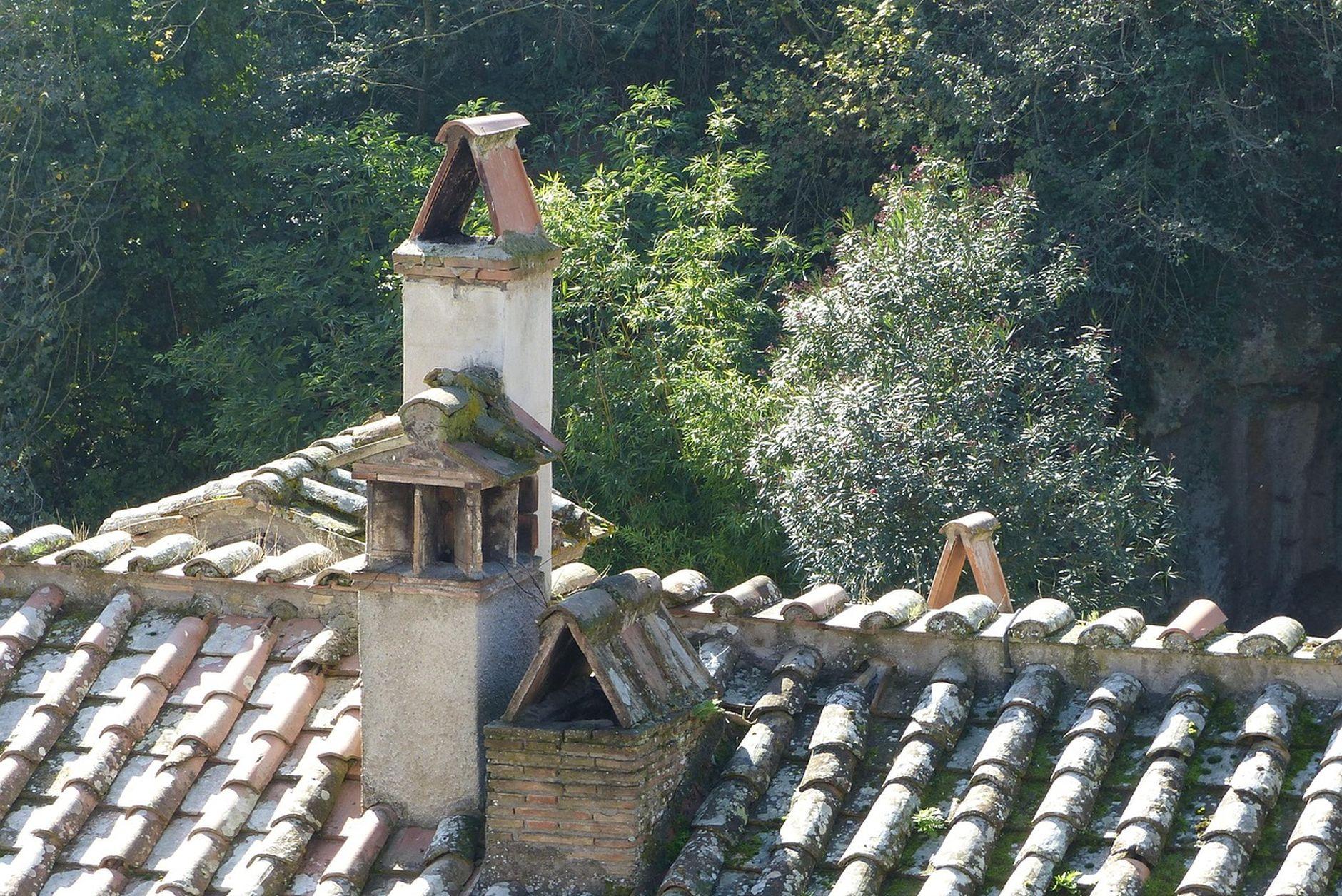
- The size of the top. A single round or square flue on a tract house from the 1980s takes a small cap made in standard sizes. A broad brick chimney with two or three flues under one crown needs a cap covering the whole top, built to dimensions we take on the roof.
- The metal. Galvanized steel is cheap and rusts through, and a rusted screen is no screen at all. We fit stainless steel as our standard and copper when an owner wants the look.
- The fixing. Some caps clamp to a single flue tile, some fasten to the crown, and a metal factory-built chimney takes the cap its maker lists for that model. A generic cap on a prefab flue can change how the pipe drafts and how hot it runs, so we do not swap one in.
- The roof. A low single-story roof with composition shingles is quick work. A two-story stack, a steep pitch or a clay tile roof that cracks underfoot adds time and care.
How common chimneys compare
We cannot print one price, because caps cover very different tops. This is how common chimneys around Placentia, Fullerton and La Habra compare.
| The chimney top | Effect on the price |
|---|---|
| One standard flue, single story, easy roof | Simplest job |
| One standard flue, two-story stack or tile roof | Costs more |
| Two flues under one crown, cap made to measure | Costs more again |
| Wide masonry top, made-to-measure copper | Costs the most |
A wooden chase around a metal flue, common on townhouses, often needs a cover for the whole box rather than a cap on the pipe. That is a different job with its own price, and our chase cover page covers it.
Why we push caps toward late summer
Most owners think about a cap in the rainy months, when water drips into the firebox or a bird nests in the flue. We would rather fit it before the rain. The driest weeks in north Orange County come at the end of summer and into autumn, which is also when the Santa Ana winds tend to start. Placentia backs onto brush-covered hills to the north and east, and Diamond Bar and La Habra sit against hillsides of their own. When those winds run, an ember can travel well beyond the fire that made it.
An open flue is a straight, sheltered tube into the house. An ember that drops into it can smolder on old soot at the smoke shelf, and a fire in the fireplace on a windy night can loft sparks out of the top and onto a roof. Neither needs a big failure. A screen with gaps the size of a fingertip is enough, and screens rust from the bottom edge where rain sits. When we look at an old cap, the bottom row of mesh is the first thing we check.
What the visit includes and when you see a figure
Before we price a cap, we look at the top it will sit on. We measure each flue, check the crown where the cap will mount and inspect the screen on any cap already there. A cap fastened to a cracked or crumbling crown is money spent on a weak base, and in a hard wind it can work loose. If the crown needs attention, the quote shows it as its own line so you see both costs side by side. Our post on crown repair or a new crown explains how we choose between the two.
You receive the written price for the cap before anything is ordered, and nothing is fitted until you agree to it. If your chimney has no cap, or the screen on yours has holes, ask us to measure the top for a cap quote. Mention whether the house has one story or two and what the roof is covered with; those two facts help us plan the visit.
When a cap is not the whole answer
A cap holds sparks in and keeps embers out, but it does not make a dirty flue safe. If the flue walls carry heavy soot, a spark that cannot leave can still light what is stuck to them. That is why we look down the flue on a cap visit and say so when a sweep should come first. Our post on sweep prices and fire season covers the timing.
A cap also does nothing for water that enters lower down, at the metal where the roof meets the brick or through the brick itself. If you see staining indoors, the cap may be only part of the story; the leak repair page and our post on what a chimney leak costs cover the rest.
On a chimney nobody has looked at in a few years, a check of the whole system first makes sense. A Level 1 chimney inspection costs $170 and takes in the cap, the crown and what we can see of the flue, which is often enough to tell whether the cap is the only job.
Where we fit them
We fit caps across Placentia and the cities around it, including Fullerton, La Habra and Diamond Bar. The same four price factors apply in each, and so does the same advice: get the screen on before the dry wind, not after the first ember scare.
When you want a figure for your own chimney top, start on our contact page and we will arrange a time to measure it.
Ready Before the Santa Anas?
Jessup Chimney Solutions sweeps flues, fits spark-screened caps and repairs the gaps that let heat or embers out, for homes in Placentia, Fullerton, La Habra, Diamond Bar and nearby cities.